
Table seats, explained
A table plan tells every guest where to sit. Here is how it works, and how JayWelaLa makes it simple.
What is table seating?
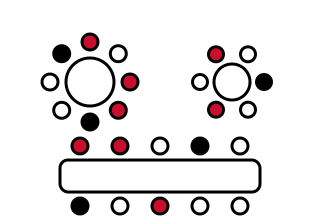
Table seating is the plan of who sits at which table at your event. It is also called a seating chart or a table plan. Each table has a number of seats, and each guest, family or group gets a place.
Types of tables
-
Round table
Everyone can see and talk to each other. Often a good fit for 6 to 10 guests.
-
Long table
Guests sit along two sides, like at a family feast. Good for larger groups that sit together.
-
Square table
Small and close. Good for a few guests who know each other.
How many seats per table?
It depends on the size of the table and the space around it. Leave room to walk and to move a chair back. Keep a free seat or two for guests who come late or bring someone.
Tips for seating your guests
- Seat families and close friends together.
- Mix groups gently, so nobody sits alone.
- Keep guests who need easy access near the aisle or the exit.
- Put the main table where everyone can see it.
- Check food needs and special requests before you finish the plan.
Table seats with JayWelaLa
JayWelaLa has a free seating planner you can try now. Draw your hall, add round, long and square tables, and set how many seats each table has.
-
Guests in color groups
Put guests in groups, such as the bride's side, friends or work. Each group has its own color.
-
See which tables have room
Type a group size and the tables with enough free seats light up.
-
Drag guests to their seats
Drag a guest, or a whole group, onto a table. The seat count updates for you.
-
Your own hall map
Move tables, add a stage, a dance floor or an entrance, and make the map bigger.
-
A plan you can print
Export a clean report with every table and its guests, or print it as a PDF.
In the JayWelaLa PRO package, AI assists you to organize everything.
Need your guest list first?
Seats start with answers. Read what an RSVP is and how to collect every answer.
Last updated: 11 October 2026